𐽰𐾁𐽼
Old Uyghur
| Uyghur script | 𐽰𐽰𐾁𐽼 (ʾʾlp /alp/) 𐽰𐾁𐽰𐽼 (ʾlʾp /alap/) |
|---|---|
| Orkhon script | 𐰞𐰯 (l¹p /alp/) |
| Manichaean script | — |
| Sogdian script | *𐼰𐼹𐼾 (*ʾlp /*alp/)[1] |
| Arabic script | الب (ʾlb /alp/) |
| Syriac script | — |
| Brahmi script | 𑀆𑀮𑁆𑀧𑁆 (ālp /alp/) 𑀅𑀮𑁆𑀧𑁆 (alp /alp/) 𑀅𑀮𑁆𑀧𑁃 (alpai /alpa/)[2][3][4] |
| Tibetan script | — |
| Han script | — |
| ʼPhags-pa script | — |
Etymology
Inherited from Proto-Turkic *alp (“brave, brazen; warrior”).
Adjective
𐽰𐾁𐽼 (ʾlp /alp/)
- difficult, hard, tough to overcome
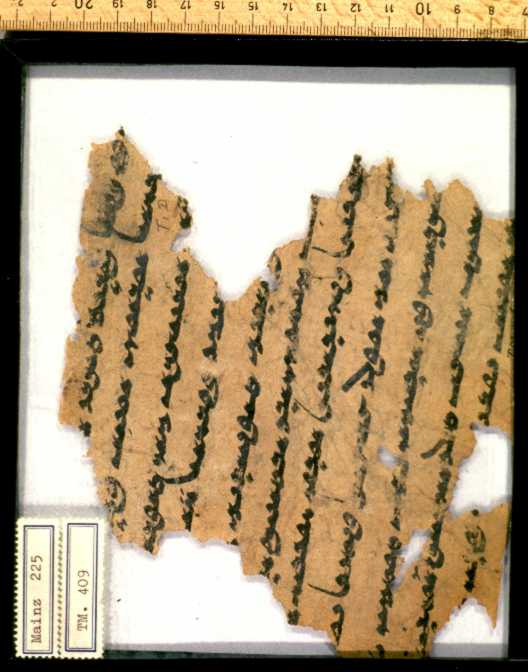
- c. 9th century, Śubhavyūharājapūrvayogaparivarta Mz225.17 (line 6, verso):[5][6]
- […] 𐽀𐼷𐼼𐼷 𐼾𐼴𐽀𐼲𐼰𐼻 𐼲𐽉𐼰 […]
[…] 𐼸 𐼻𐼰𐽄𐼷𐼺 𐽂𐼰𐼾𐼷𐼻𐼰𐼹𐼷𐼺 […]
[…] 𐼼𐼴𐼲𐼴𐽁𐼲𐼰𐽄𐼷 𐼰𐽀𐽂𐼰𐼷𐼻𐼸𐼴 𐼰𐽄 […]- […] rysy pwrqʾn q̈ʾ […]
[…] knʾlym tʾpynʾlym […]
[…] swqwcqʾly ʾrtʾynkw ʾl[p] […] - /[Täŋri täŋ]risi Burḥanḳa [yü]künälim, tapïnalïm, […] [üzä] soḳušġalï ärtiŋü al[p ärtür.]/
- We will make respectful offerings to and worship the god of gods, the King Buddha […] to meet with [the Buddha] is very difficult.
- […] rysy pwrqʾn q̈ʾ […]
- […] 𐽀𐼷𐼼𐼷 𐼾𐼴𐽀𐼲𐼰𐼻 𐼲𐽉𐼰 […]
- brave, brazen, courageous
- dangerous, treacherous
Derived terms
- 𐽰𐾁𐽼𐽰𐾀𐽹𐽰𐽲 (ʾlpʾtmʾq /alpatmaḳ/, “courage”)
- 𐽰𐾁𐽼𐽶𐽾𐽲𐽰𐽺𐽹𐽰𐽲 (ʾlpyrqʾnmʾq /alpïrḳan-/, “to strife, to put effort; to reject”)
- 𐽰𐾁𐽼𐾁𐽰𐽺𐽹𐽰𐽲 (ʾlplʾnmʾq /alplan-/, “to muster up courage”)
Noun
𐽰𐾁𐽼 (ʾlp /alp/)
Declension
| singular | definite plural | |
|---|---|---|
| nominative | 𐽰𐾁𐽼 (ʾlp) | 𐽰𐾁𐽼𐾁𐽰𐽾 (ʾlplʾr) |
| genitive | 𐽰𐾁𐽼𐽺𐽶𐽺𐽷 (ʾlpnynk) | 𐽰𐾁𐽼𐾁𐽰𐽾𐽺𐽶𐽺𐽷 (ʾlplʾrnynk) |
| dative | 𐽰𐾁𐽼𐽲𐽰 (ʾlpqʾ) | 𐽰𐾁𐽼𐾁𐽰𐽾𐽲𐽰 (ʾlplʾrqʾ) |
| accusative | 𐽰𐾁𐽼𐽶𐽲 (ʾlpyq), 𐽰𐾁𐽼𐽺𐽶 (ʾlpny) | 𐽰𐾁𐽼𐾁𐽰𐽾𐽶𐽲 (ʾlplʾryq), 𐽰𐾁𐽼𐾁𐽰𐽾𐽺𐽶 (ʾlplʾrny) |
| locative | 𐽰𐾁𐽼𐾀𐽰 (ʾlptʾ) | 𐽰𐾁𐽼𐾁𐽰𐽾𐾀𐽰 (ʾlplʾrtʾ) |
| ablative | 𐽰𐾁𐽼𐾀𐽶𐽺 (ʾlptyn) | 𐽰𐾁𐽼𐾁𐽰𐽾𐾀𐽶𐽺 (ʾlplʾrtyn) |
| instrumental | 𐽰𐾁𐽼𐽶𐽺 (ʾlpyn) | 𐽰𐾁𐽼𐾁𐽰𐽾𐽶𐽺 (ʾlplʾryn) |
| equative | 𐽰𐾁𐽼𐽽𐽰 (ʾlpcʾ) | |
| directive | 𐽰𐾁𐽼𐽲𐽰𐽾𐽳 (ʾlpqʾrw), 𐽰𐾁𐽼𐽾𐽰 (ʾlprʾ) | |
| similative | 𐽰𐾁𐽼𐾁𐽰𐽶𐽳 (ʾlplʾyw) |
Derived terms
- 𐽰𐾁𐽼𐽰𐽲𐽳𐾀 (ʾlpʾqwt /alpaġut/, “warrior”)
Proper noun
𐽰𐾁𐽼 (ʾlp /Alp/)
- a unisex given name
- 𐽰𐾁𐽼 𐽰𐽰𐽾𐽻𐾁𐽰𐽺 (male) ― ʾlp ʾʾrslʾn /Alp Arslan/
- 𐽰𐾁𐽼 𐽻𐽶𐽺𐽷𐽳𐽾 (male) ― ʾlp synkwr /Alp Sïŋḳur/
- 𐽰𐾁𐽼 𐽲𐽰𐽾𐽰 (male) ― ʾlp qʾrʾ /Alp Ḳara/
- 𐽰𐾁𐽼 𐾀𐽰𐽻 𐽻𐽰𐽺𐽷𐽳𐽺 (male) ― ʾlp tʾs sʾnkwn /Alp Taš Saŋun/
- 𐽰𐾁𐽼 𐾀𐽺𐽷𐽾𐽶𐽹 (female) ― ʾlp tnkrym /Alp Täŋrim/
References
- ^ Attested as 𐼰𐼹 (ʾl).
- ^ von Gabain, Annemarie (1954), Türkische Turfan Texte VIII: Texte im Brāhmīschrift (in German), pages 11, 32
- ^ Dieter, Maue (1996), Alttürkische Handschriften: Dokumente in Brāhmī und Tibetischer Schrift (Teil 1) (Verzeichnis der orientalischen handschriften in Deutschland; 9) (in German), →ISBN, page 136
- ^ Dieter, Maue (2015), Alttürkische Handschriften: Dokumente in Brāhmī und Tibetischer Schrift (Teil 2) (Verzeichnis der orientalischen handschriften in Deutschland; 27) (in German), →ISBN, pages 198, 513
- ^ https://turfan.bbaw.de/dta/mainz/images/mainz0225_seite1.jpg
- ^ https://vatec2.fkidg1.uni-frankfurt.de/vatecasp/Altt%C3%BCrkische_Text_in_sogdischer_Schrift.htm#218493
Further reading
- Caferoğlu, Ahmet (1968), “alp, Alp”, in Eski Uygur Türkçesi Sözlüğü (Türk Dil Kurumu Yayınları; 260) (in Turkish), Istanbul: Edebiyat Fakültesi Basımevi, page 12
- Clauson, Gerard (1972), “alp”, in An Etymological Dictionary of pre-thirteenth-century Turkish, Oxford: Clarendon Press, →ISBN, →OCLC, pages 127-128
- The template Template:R:otk:DTS does not use the parameter(s):
entry=alp
Please see Module:checkparams for help with this warning.Nadeljajev, V. M.; Nasilov, D. M.; Tenišev, E. R.; Ščerbak, A. M., editors (1969), Drevnetjurkskij slovarʹ [Dictionary of Old Turkic] (in Russian), Leningrad: USSR Academy of Sciences, Nauka, pages 36-37 - Wilkens, Jens (2021), “(1, 2) alp”, in Handwörterbuch des Altuigurischen (in German), Göttingen: Akademie der Wissenschaften zu Göttingen, pages 33-35